3.6.3. Credit-Based Flow Control (CBFC)
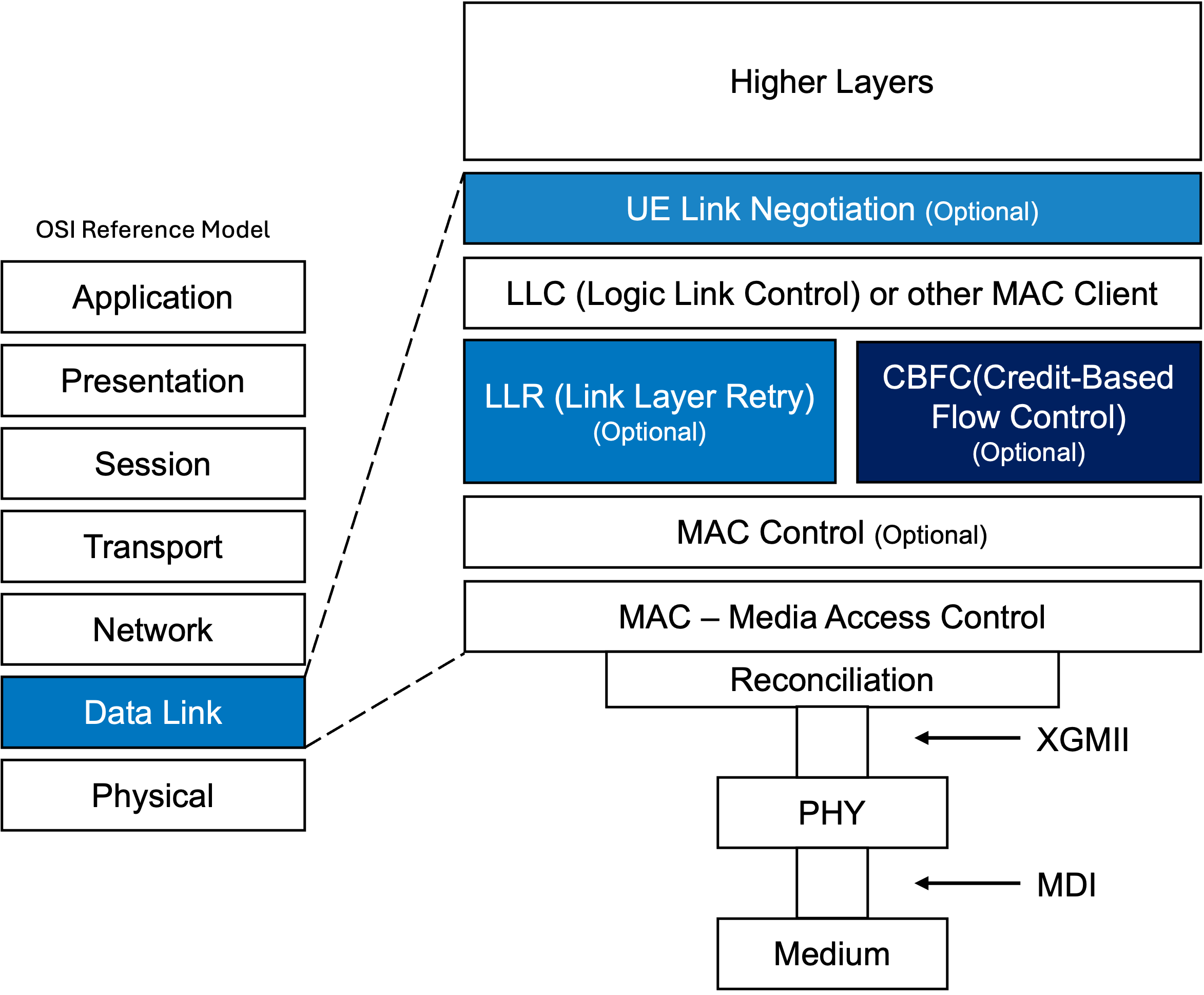
Fig. 3.28 Architectural Position of CBFC in UE Link Layer
Credit-Based Flow Control (CBFC) is a link-layer flow control mechanism that regulates traffic transmission based on the receiver’s available buffer capacity.
In CBFC, the receiver continuously tracks its buffer occupancy and periodically sends credit updates to the sender, indicating how much data can be safely transmitted. The sender is only permitted to transmit frames when sufficient credits are available, ensuring that data is sent only when the receiver has buffer space to accommodate it.
Compared to Priority Flow Control (PFC), which halts traffic when buffers near capacity, CBFC provides a more granular and controlled flow regulation, improving link utilization and reducing head-of-line blocking in high-performance and latency-sensitive environments such as AI and HPC networks.